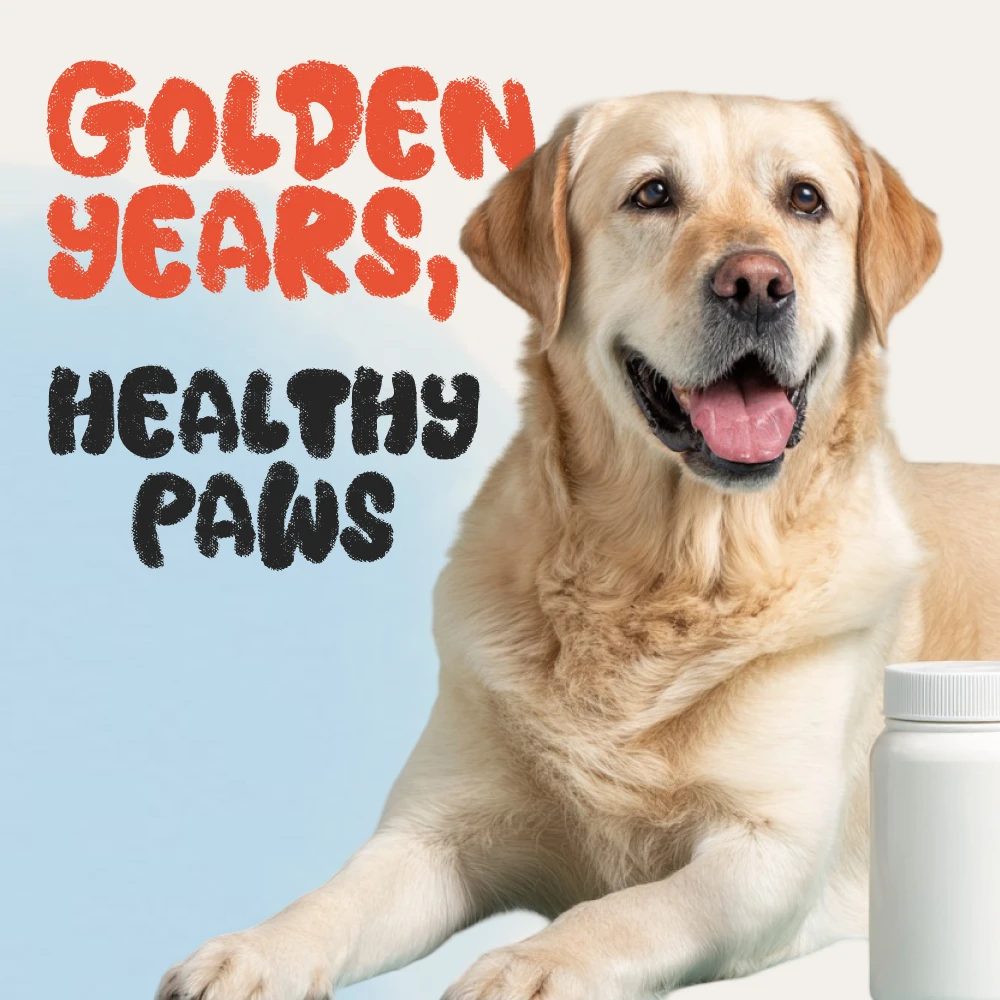
Give Your Senior Dog the Gift of Health and Vitality
As your loyal companion enters their golden years, their needs begin to change — and so should their care. Golden Years, Healthy Paws: A Practical Guide to Supplements for Senior Dogs is your essential roadmap to keeping your older pup thriving, active, and happy. This easy-to-read digital download is designed for pet owners who want clear, reliable, and science-based guidance on choosing and using supplements for senior dogs. Whether your furry friend needs extra joint support, improved digestion, or better overall vitality, this guide helps you make informed choices with confidence.
What’s Inside
- Chapter 1: Understanding Your Senior Dog’s Needs – Learn what “senior” really means, common health challenges, and how to spot signs that your dog might benefit from supplements.
- Chapter 2: Supplements 101 – A complete overview of supplement types, benefits, and safety tips on dosage, quality, and vet approval.
- Chapter 3: When and How to Give Supplements – Guidance on timing, real-life case studies, and common mistakes to avoid.
- Chapter 4: Using AI and Tech to Support Your Dog’s Health – Explore smart tools and apps that help you track progress, set reminders, and build a personalized supplement plan.
Practical Benefits
- Helps you understand your senior dog’s changing health needs with clarity and compassion.
- Provides step-by-step guidance on safe and effective supplement use.
- Includes modern tools to make health tracking simple and accurate.
- Ideal for dog parents who want a trustworthy, vet-informed resource in one easy digital format.
- Instant PDF download—read anywhere, anytime.
Who This Is For
This guide is perfect for dog owners who want to give their aging pets the healthiest, happiest years possible. Whether you’re just noticing early signs of slowing down or managing age-related issues, this eBook helps you confidently support your senior dog’s wellbeing.
Why It’s Different
Unlike generic pet wellness guides, Golden Years, Healthy Paws blends expert-backed supplement insights with modern technology—making it one of the few resources that bridges holistic care and digital innovation for senior dogs. Every chapter is practical, research-informed, and easy to follow, ensuring you take real steps toward improving your dog’s quality of life.
Download & Start Today
Empower yourself to care for your senior dog with love and confidence. Download Golden Years, Healthy Paws: A Practical Guide to Supplements for Senior Dogs today and give your furry friend the comfort, mobility, and vitality they deserve.
Order cancellation
All orders can be cancelled until they are shipped. If your order has been paid and you need to make a change or cancel an order, you must contact us within 12 hours. Once the packaging and shipping process has started, it can no longer be cancelled.
Refunds
Your satisfaction is our #1 priority. Therefore, you can request a refund or reshipment for ordered products if:
- If you did not receive the product within the guaranteed time( 45 days not including 2-5 day processing) you can request a refund or a reshipment.
- If you received the wrong item you can request a refund or a reshipment.
- If you do not want the product you’ve received you may request a refund but you must return the item at your expense and the item must be unused.
We do not issue the refund if:
- Your order did not arrive due to factors within your control (i.e. providing the wrong shipping address)
- Your order did not arrive due to exceptional circumstances outside the control of Inspiring Gem Mart (i.e. not cleared by customs, delayed by a natural disaster).
- Other exceptional circumstances outside the control of https://orginalle.com
*You can submit refund requests within 15 days after the guaranteed period for delivery (45 days) has expired. You can do it by sending a message on Contact Us page
If you are approved for a refund, then your refund will be processed, and a credit will automatically be applied to your credit card or original method of payment, within 14 days.
Exchanges
If for any reason you would like to exchange your product, perhaps for a different size in clothing. You must contact us first and we will guide you through the steps.
Please do not send your purchase back to us unless we authorise you to do so.
Your files will be available to download once payment is confirmed.